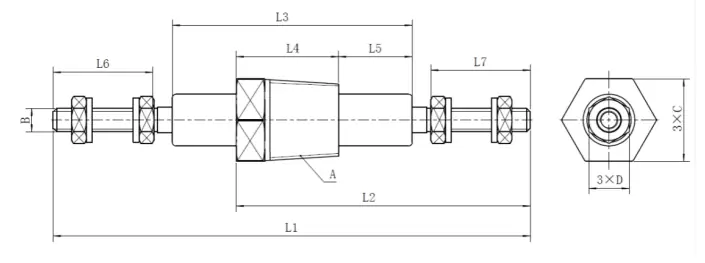
Technical reference
NPT-threaded electrode stud
product drawing for interface identification.
Connector project selection
Start with the exact interface, seal concept, conductor arrangement, electrical duty and pressure-boundary evidence required by the project. product NPT, O-ring and custom records remain separate; a sealed description is not a hermetic, vacuum, high-pressure or hazardous-area qualification.
Product portfolio
Use the visual references to identify the series or configuration you want us to review.
product drawing for interface identification.
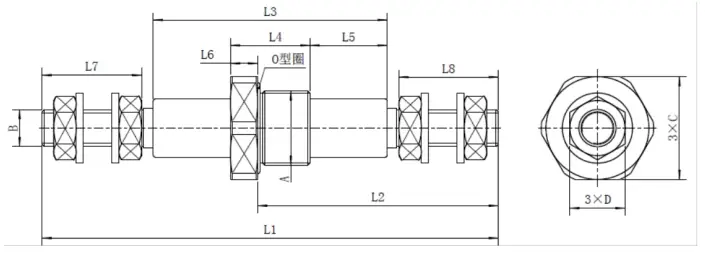
product drawing for interface identification. O-ring material, pressure, leakage, temperature and media compatibility remain configuration specific.
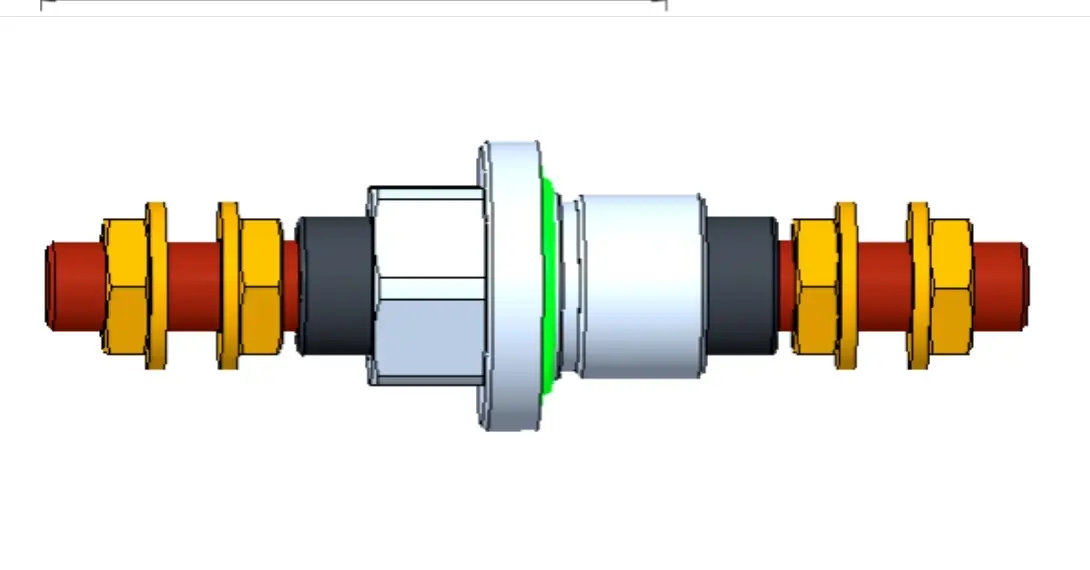
product configuration rendering. Custom wording starts a project review; it is not evidence of unlimited design scope, current production or fast delivery.
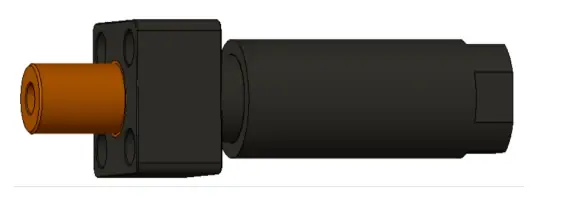
product configuration rendering. Flange geometry, sealing method, pressure, leakage, materials and current production require project-specific confirmation.
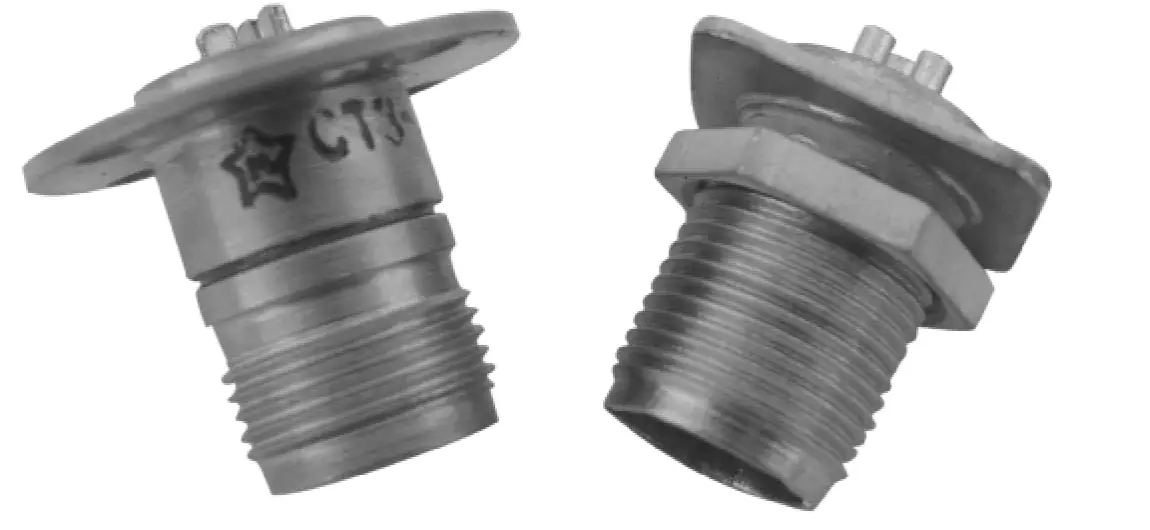
product product photograph for neutral configuration identification. Glass-sintered or sealed wording is not current hermetic, vacuum, pressure, leak-rate, qualification, production or supply evidence.
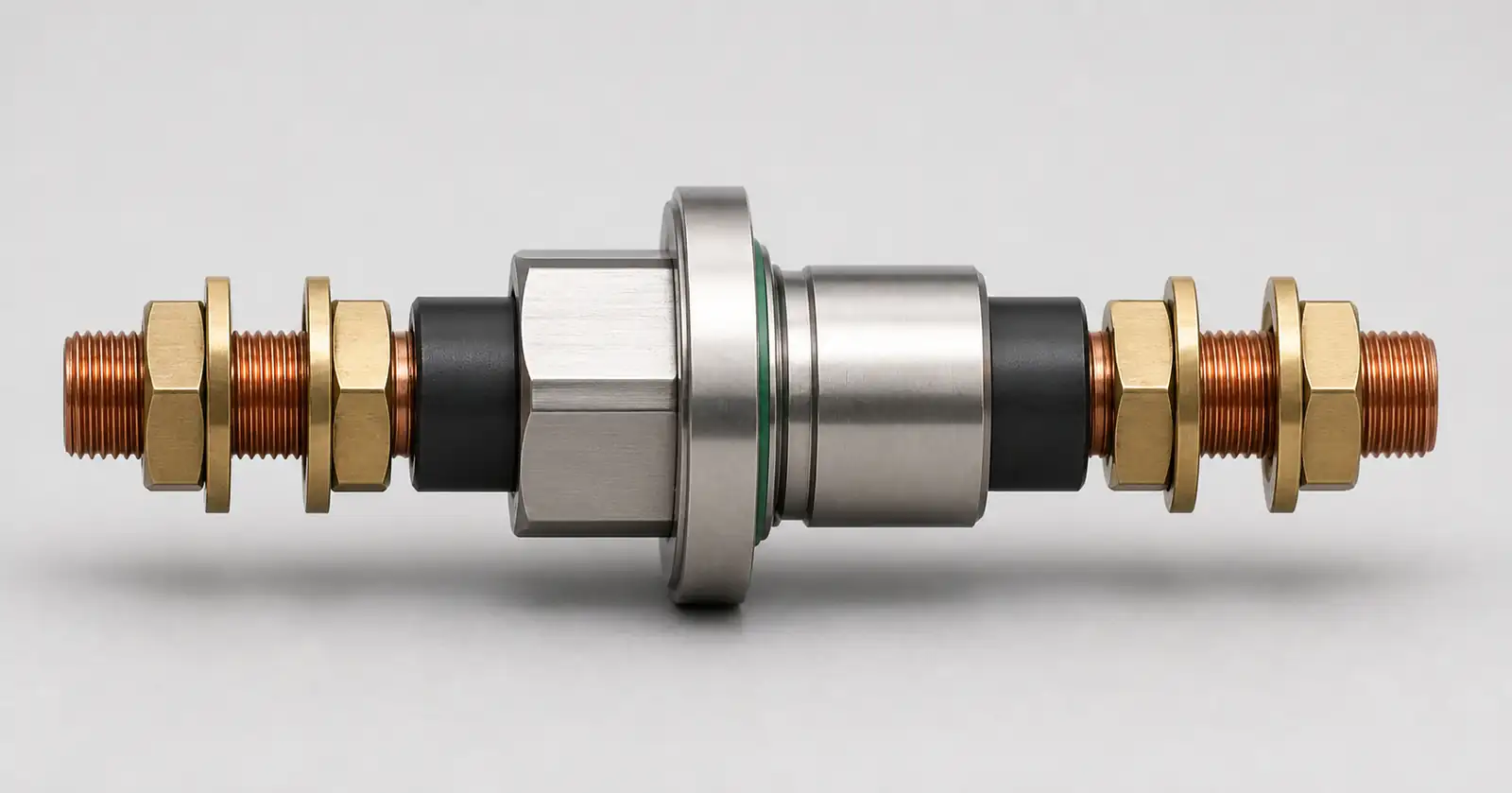
Illustrative configuration derived from a traceable catalog reference. Exact geometry, materials, sealing, electrical performance, qualification, current production and supply require project-specific confirmation.
Selection priorities
Provide the complete designation, revision and source document.
Describe the wall, vessel, flange or enclosure and the electrical-entry function.
Provide controlled geometry, engagement and installation constraints.
State conductor quantity, isolation and protected arrangement needs.
State AC/DC duty, simultaneous loading, duty cycle and temperature-rise limit.
State waveform, voltage, duration, test points, environment and acceptance.
State high/low sides, direction, medium, temperature and duration.
State method, duration, cycles and acceptance separately from working duty.
Project fit
Use this category to organize an electrical entry through a project-defined boundary. The buyer must identify what is being sealed, the operating medium and the evidence needed for acceptance.
The NPT-threaded, O-ring-sealed and custom electrode-stud records remain independent evidence chains.
Sealed is a project-description word here.
Engineering conversation
The product NPT wording is an interface lead only. Thread form, engagement, sealing method, pressure class, governing standard and media compatibility require controlled confirmation.
The product O-ring wording identifies a seal concept. Elastomer, groove, compression, temperature, pressure, leakage and medium compatibility remain configuration-specific.
Custom means the configuration must be defined and reviewed. It is not evidence of unlimited design scope, current production, fast delivery or a completed application history.
Discuss engineering inputsInquiry checklist
Frequently asked questions
No. Hermeticity requires a defined configuration, method, medium, conditions and acceptance limit.
No.
No. Material, dimensions, compression, temperature, pressure and medium compatibility require configuration evidence.
Not on this page. Each field needs its own source, method and acceptance conditions.
No. The rendering supports identity and discussion only; configuration and commercial terms require review.
Submit the boundary, interface, electrical duty, pressure/leakage conditions, materials, evidence requirements and transaction context.
Related pages
Ready to continue?
Our team will organize the engineering, documentation and commercial follow-up for your request.