product product photo
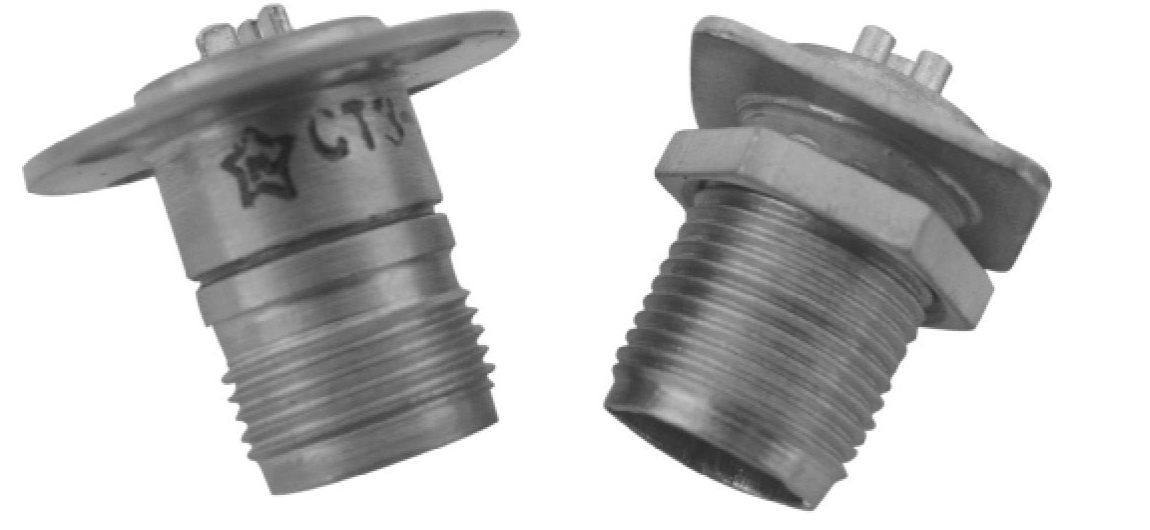
CT-M sealed connector record
Real product photograph for configuration identification. Sealed or glass-sintered wording is not current hermetic, vacuum, pressure or leak-rate qualification.
Review the CT-M evidence moduleConnector project selection
Sealed, glass-sintered, hermetic, vacuum and pressure-rated are not interchangeable claims. Review the exact wall-through configuration, pressure direction, medium, test method, leakage limit and current qualification evidence.
Product portfolio
Use the visual references to identify the series or configuration you want us to review.
Real product photograph for configuration identification. Sealed or glass-sintered wording is not current hermetic, vacuum, pressure or leak-rate qualification.
Review the CT-M evidence module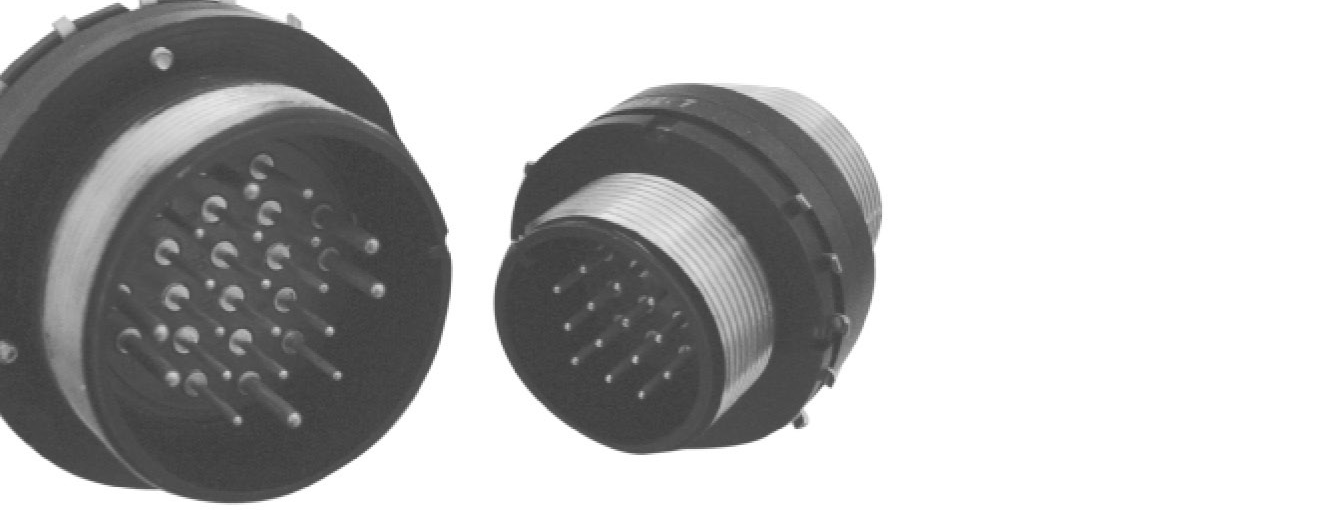
Real product photograph for neutral identification.
Review the P-C evidence moduleSelection priorities
Provide the controlled configuration and source revision.
Provide geometry and installation constraints through the proper release channel.
State the construction to be verified without inferring performance.
Define pressure direction, medium, state and duration.
State them separately with temperature and acceptance.
State absolute pressure, duration, cleanliness and outgassing needs.
State tracer/medium, sensitivity, units, conditions and acceptance.
State duty, conductors and temperature-rise limit.
Project fit
Use this guide to separate construction or catalog wording from a qualified leak, vacuum or pressure claim.
product wall-through and sealed wording supports neutral identity and a review context, not current hermetic, vacuum or pressure qualification.
product glass-sintered and sealed wording supports neutral identity, not current hermeticity, leak-rate, vacuum or project qualification.
Engineering conversation
A construction description, test field, test report, qualification record and project acceptance are different evidence levels.
High/low side, direction, medium, temperature, duration and assembly state must be defined.
Method, tracer or medium, sensitivity, conditions and acceptance limit are required before using a leak-rate claim.
Discuss engineering inputsInquiry checklist
Frequently asked questions
No. Hermeticity requires a defined method, medium, conditions, limit and configuration coverage.
No.
No. Working, proof/test, differential and vacuum conditions remain separate.
No. The two records remain isolated.
No. They support neutral record identification only.
Provide configuration, interface, construction, pressure/vacuum duty, leak method, electrical/environmental requirements and acceptance path.
Related pages
Ready to continue?
Our team will organize the engineering, documentation and commercial follow-up for your request.