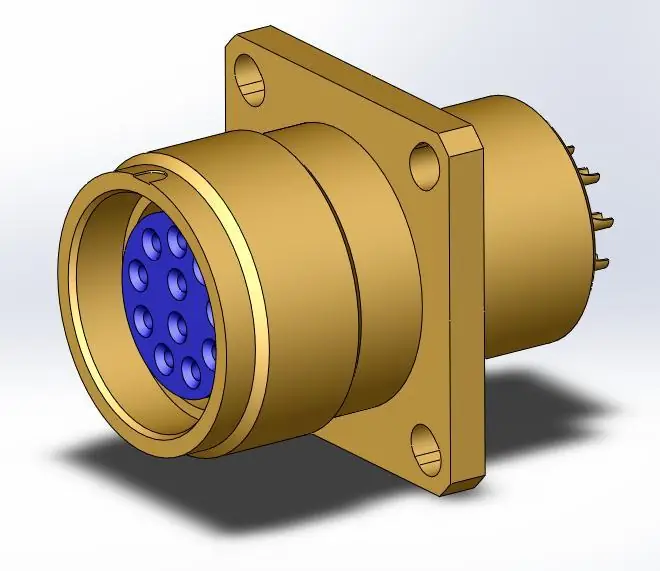
Connector project selection
How to Evaluate Underwater Connector Pressure, Depth and Mating Claims
Evaluate underwater connector claims by exact configuration, mating state, pressure definition, duration, leakage method, cycling and environment.
Product portfolio
Relevant connector records
Use the visual references to identify the series or configuration you want us to review.
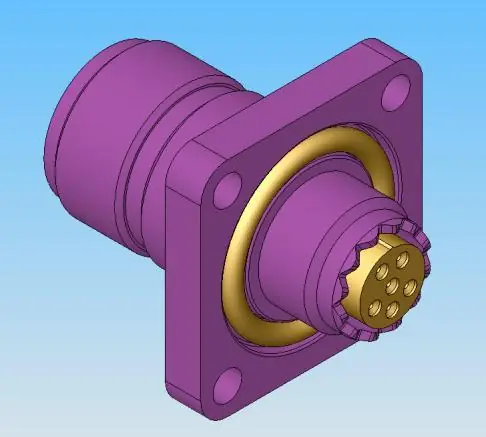
Catalog rendering
SHX16 connector record
product series rendering. Pressure, depth, mating mode, leakage, materials and current configuration require controlled evidence review.
Review the SHX16 evidence moduleSelection priorities
Define the key engineering inputs
Provide both halves, cable/termination and controlled source revision.
State every state that must withstand pressure or immersion.
Describe when and where mating occurs.
State direction, medium, temperature and duration.
State method, duration, cycles and acceptance.
State whether required and applicable safety method.
State depth, duration and the responsible engineering basis.
State method, medium, differential and limit.
Project fit
Application and configuration review
Begin with the exact connector record, mating state and pressure/depth requirement.
SHX15, SHX16 and YMG remain separate source chains; no pressure, depth, mating or environmental field transfers between them.
The product 0.5 MPa field is retained only as static water pressure after mating. It is not converted to rated depth or another pressure state.
Engineering conversation
Translate the requirement into a configuration
product SHX16 pages organize a configuration-led water-tight review; pressure, depth, mating mode, leakage, materials and current status require controlled evidence.
Marine or rainproof wording is not subsea-pressure, deep-water, wet-mate or long-term immersion evidence.
Wet-mate, dry-mate, underwater-mateable and splash/rainproof describe different states and evidence needs.
Discuss engineering inputsInquiry checklist
What to send with your request
- Provide both halves, cable/termination and controlled source revision.
- State every state that must withstand pressure or immersion.
- Describe when and where mating occurs.
- State direction, medium, temperature and duration.
- State method, duration, cycles and acceptance.
- State whether required and applicable safety method.
- State depth, duration and the responsible engineering basis.
- State method, medium, differential and limit.
Frequently asked questions
Plan the next engineering step
Can 0.5 MPa be advertised as a water-depth rating?
No. It remains an product static-water-pressure-after-mating field and is not converted to rated depth.
Does water-tight mean wet-mate?
No. Wet-mate requires explicit evidence for the mating state and conditions.
Does an IP code prove subsea pressure capability?
No. IP, hydrostatic pressure, depth, leakage, cycling and immersion are separate evidence sets.
Can SHX15 evidence support SHX16 or YMG?
No. The three records remain isolated.
Can a competitor depth or pressure rating fill a gap?
No. Competitor specifications are market context only and never product evidence for these records.
What should I submit first?
Provide the exact configuration, mating states, pressure/depth profile, leakage method, environment, evidence needs and project context.
Related pages
Continue your project review
Marine and Subsea ConnectorsReturn to the record-isolated category page→Marine, Subsea and Pressure EnvironmentsIndustry project entry→Pressure-Sealed Electrical FeedthroughsSeparate penetrator/feedthrough project intent→Rated Voltage vs Dielectric WithstandKeep electrical duty and tests separate→Controlled-Application ComplianceTransaction and document-release gates→Engineering ResourcesBrowse related guides→Compliance ReviewRequired project route→
Ready to continue?
Send the configuration and project context
Our team will organize the engineering, documentation and commercial follow-up for your request.