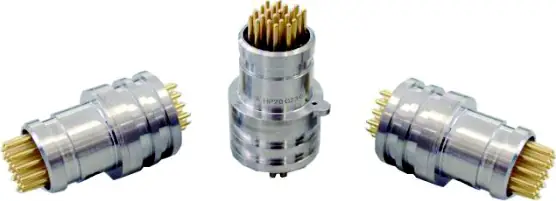
product catalog product group
Separate product identity from qualification claims
product visual context only.
Connector project selection
Review connector standards, test reports, product certification and QPL/QPD evidence without assuming qualification. Exact scope and current status must be confirmed.
Product portfolio
Use the visual references to identify the series or configuration you want us to review.
product visual context only.
Selection priorities
Copy the original wording without replacing reference, compliance, test, certification or qualification terms
Legal entity that made the claim
Site covered by the evidence, if applicable
All prefixes, suffixes, keys, contacts, plating and accessory codes
Mating pair, insert, contact, termination and material configuration
Controlled revision used for the review
Exact designation, revision/date and applicable clauses
Designed to, references, complies with, tested to, certified to or qualified to
Project fit
Connector standards and qualification claims require document-level review.
This guide is designed for engineering, quality and procurement teams that need to separate claim language from the evidence required for a particular manufacturer, part number, configuration, revision and project.
A specification reference identifies a technical framework.
Engineering conversation
Treat every claim as a scoped statement: who issued it, which legal entity and site it covers, which exact product or configuration it covers, which revision applies, what was tested, and whether the evidence is current.
1. Capture the exact claim without upgrading its wording.
2. Identify the manufacturer, legal entity, production site, complete part number, configuration and controlled document revision.
Discuss engineering inputsInquiry checklist
Frequently asked questions
No. It proves that the catalog references that standard. Certification requires its own issuer, document, scope, covered product or configuration and current status.
In the DoD context used here, a QPL is the qualification list associated with a particular specification. The QPD is DLA's official database for DoD qualification data and is the place to verify the applicable QPL/QML record.
Not necessarily. A report supports only the identified sample, method, conditions and result unless a certification scheme explicitly states a broader scope.
No. Review the legal entity, site, scope and validity of the management-system certificate, then request separate product- or configuration-level evidence where required.
No. Mechanical, mating, electrical, environmental, qualification and validation evidence must be reviewed separately before any written conclusion.
Qualification claims may involve controlled documents, sensitive applications and project-specific approvals. End user, end use, destination and document-release scope must be reviewed first.
Ready to continue?
Our team will organize the engineering, documentation and commercial follow-up for your request.